Published: 6 July 2026
Insurance Market Update - Domestic

Domestic New Zealand
Insurance Market Update

Stability, but with greater
focus on individual risk
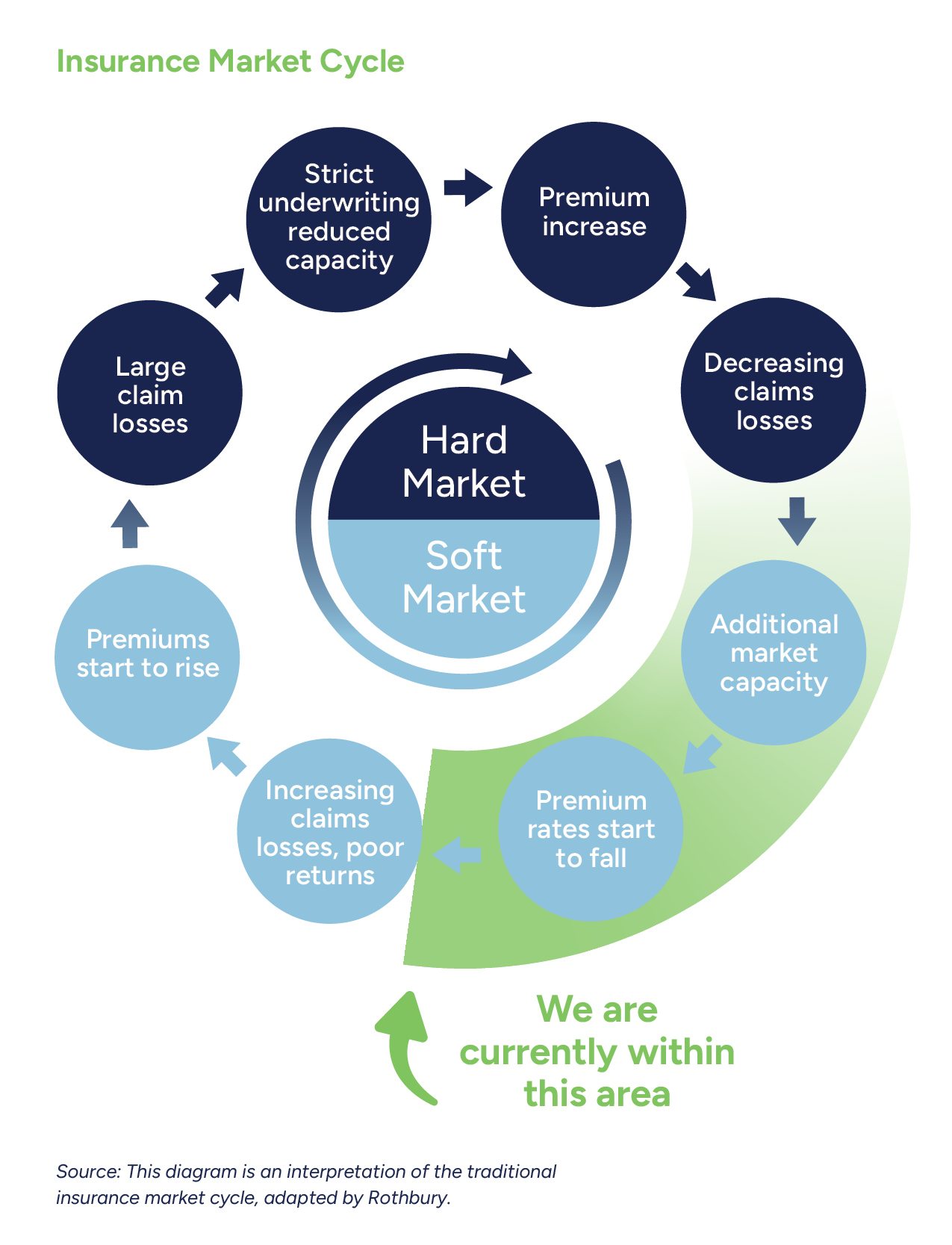
The personal insurance market is now more stable than it has been in recent years, which is good news for homeowners after a period of sharp premium increases. However, stability does not mean everyone will see the same outcome. Weather-related losses continue to put pressure on affordability, and insurers are placing greater emphasis on the individual characteristics of each home.
For homeowners, that means risk is becoming more personalised. Location, property condition, resilience, and claims history are playing a bigger role in both pricing and cover decisions than they have in the past. As severe weather events become more frequent, property-specific awareness and preparation are becoming increasingly important.
Market Snapshot:
Where conditions stand today
- Market Conditions: More stable overall
- Pricing: Increasingly personalised based on your home and location
- Insurer approach: More cautious in higher-risk areas
- Outlook: Greater focus on risk, resilience and long-term affordability
Premium trends and what’s influencing individual outcomes
Premium increases have generally stabilised, but risk-based pricing is now the norm. That means two similar homes may be priced differently depending on factors such as flood or coastal exposure, property resilience, and claims history. Motor insurance is also becoming more personalised, with pricing increasingly reflecting vehicle type, repair complexity, and driver profile.
While some households may see flat or modestly lower premiums, others — particularly those in higher-risk locations — may still experience increases. Cover and pricing are increasingly shaped by a combination of factors, including:
- location (such as flood, coastal, or seismic exposure)
- property condition and resilience
- repair cost inflation and supply chain delays
- vehicle technology and repair complexity
- claims history.

There are practical steps homeowners can take to strengthen their position over time. Maintaining drainage and gutters, checking retaining walls, and addressing avoidable maintenance issues can help reduce preventable loss and support a stronger claims history.
Insurer appetite and what it means for you

Insurers remain financially sound following recovery from the 2023 weather events, but appetite is more cautious in higher-risk areas. For homeowners in exposed locations, this may mean higher excesses, tighter conditions, restrictions on cover, or fewer insurer options.
This is likely to remain an ongoing feature of the market. As insurers use more sophisticated tools to assess individual property risk, homes in flood-prone, coastal, or otherwise exposed areas are likely to see greater differentiation in both pricing and insurability.
Already evident in many 2026 renewals, these trends are likely to become more widespread through 2027 as insurers continue aligning capacity with underlying risk.
FENZ levy and broader cost pressures
Changes to the Fire and Emergency New Zealand (FENZ) levy came into effect from 1 July 2026 and apply when your policy renews or if you take out a new policy. These changes affect both residential property and motor insurance, including a $25 flat levy on motor vehicles and adjustments to how levies are applied to property cover.
While impacts will vary — with some households seeing increases and others reductions — total insurance costs may still rise even where base premiums remain stable, as levy changes and broader pressures are taken into account. Your Rothbury broker can help explain these changes and ensure the correct information is applied at renewal.


Emerging risks shaping your insurance today
The risk environment is continuing to evolve, driven by climate, technology, and broader operational pressures.
These trends are increasingly influencing both the cost and availability of insurance.
Severe weather is becoming more frequent and disruptive, influencing claims costs and raising ongoing questions about affordability and insurability in higher-risk areas.
Other emerging pressures include:
- rising repair and construction costs
- supply chain delays, especially for modern vehicles and specialist repairs
- fire risks linked to lithium batteries
- growing cyber and online safety risks for households
- the increasing use of AI and connected technologies, which are changing the way risk is managed and priced
Together, these factors are reshaping how insurers assess personal insurance risks and why regular review remains important, even in a more stable market.
Why reviews still matter in a more stable market
A more stable market creates a good opportunity to review and optimise your cover. Construction costs remain elevated even if inflation has cooled, so keeping your sums insured up to date is important to reduce underinsurance risk — particularly after renovations, landscaping, or additions to your property.
It’s also worth reviewing how your policy is set up, including claim-related provisions such as temporary accommodation, and whether your excess levels and cover settings still suit your household and budget.
How your Rothbury broker helps
In a more personalised and risk-based market, broker support is becoming increasingly important. Rothbury helps you understand what is driving your individual outcomes, review cover against current risks and the cost to repair or rebuild your home and belongings, and make informed decisions about whether your policy still fits your circumstances.
This includes helping with:
- clarifying policy definitions and sums insured
- explaining pricing changes and available options
- reviewing excess levels and cover settings
- supporting you through claims, particularly following severe weather events
- providing practical advice on climate risk, property resilience, and online safety

This report is intended for general informational purposes only and should not be relied upon as a substitute for legal, financial, or insurance advice.
Download the full PDF report